

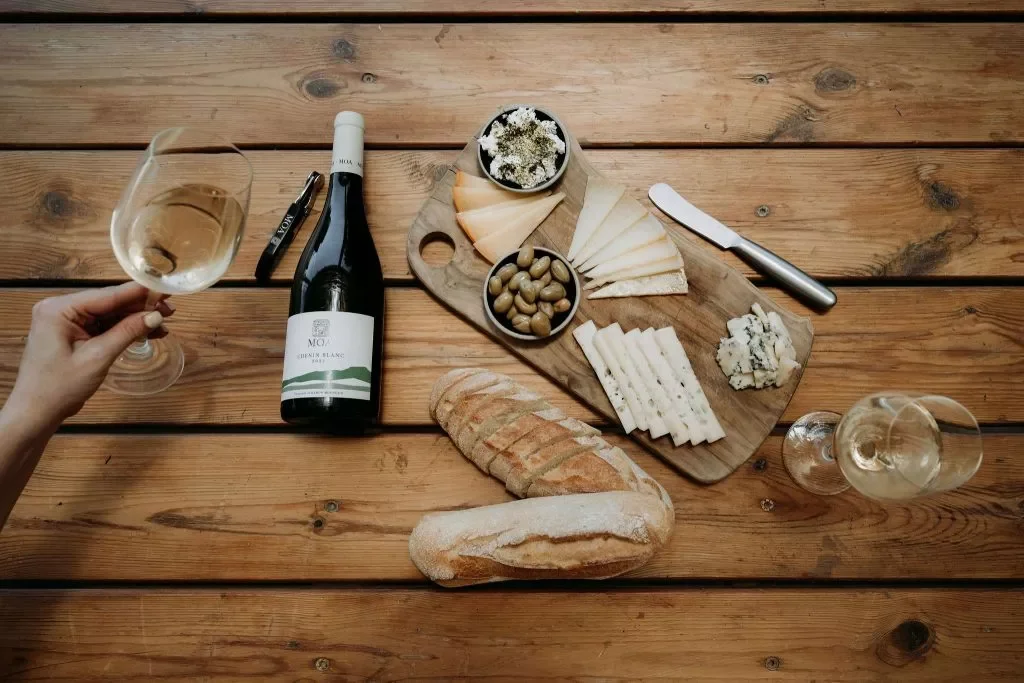

MOA Southern family winery
NEGEV DESERT, ISRAEL

The First Winery in the Arava Desert
Moa Winery is a true pioneer — the first winery ever established in Israel’s Arava region.
Founded by Yehuda and Tzvia Friedman, the winery embodies a spirit of adventure, agriculture, and renewal. Set amid the stark beauty of the desert, Moa transforms the wilderness into a place of life, growth, and fine wine.

The Founders
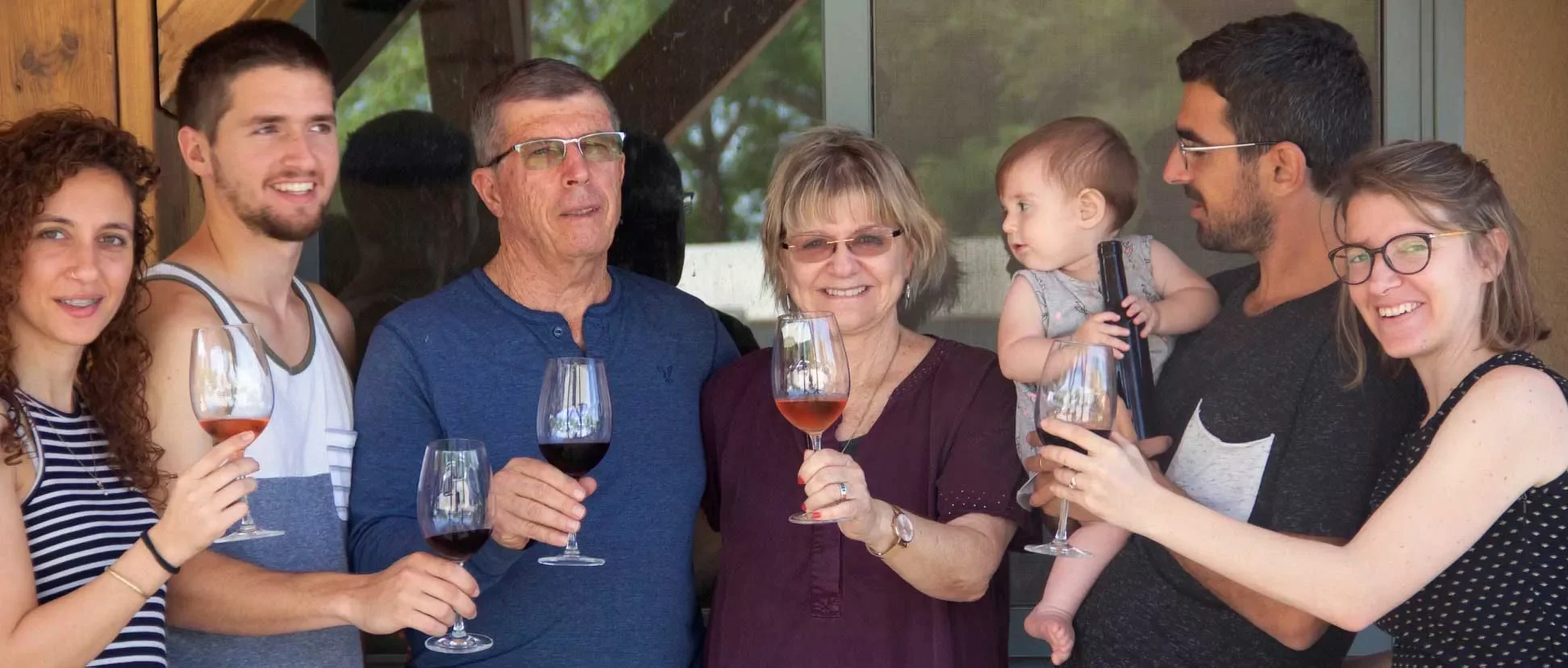
Yehuda and Tzvia Friedman’s story is one of dedication and pioneering spirit. The couple met on Kibbutz Mefalsim, where Yehuda was born and raised and Tzvia arrived as part of a Nahal group.
In the early 1980s, driven a passion for cultivating the land, they married and moved to Moshav Tzofar in the Arava — one of Israel’s most remote agricultural communities. Their mission was simple yet ambitious: to make the desert bloom.
A Family Legacy of Innovation
The family’s introduction to winemaking came through their son-in-law, Elad, who had worked in the wine industry for over a decade. During weekend visits, Elad and his wife Dana would bring wines and stories from Israel’s vineyards — and their enthusiasm quickly inspired the entire family.
Motivated by curiosity and a shared entrepreneurial spirit, Yehuda enrolled in winemaking studies at Sorek Winery, where he learned the art and science of oenology. Soon after, the family decided to transform their long-standing agricultural expertise into a new venture: Moa Winery.
From Farm to Winery
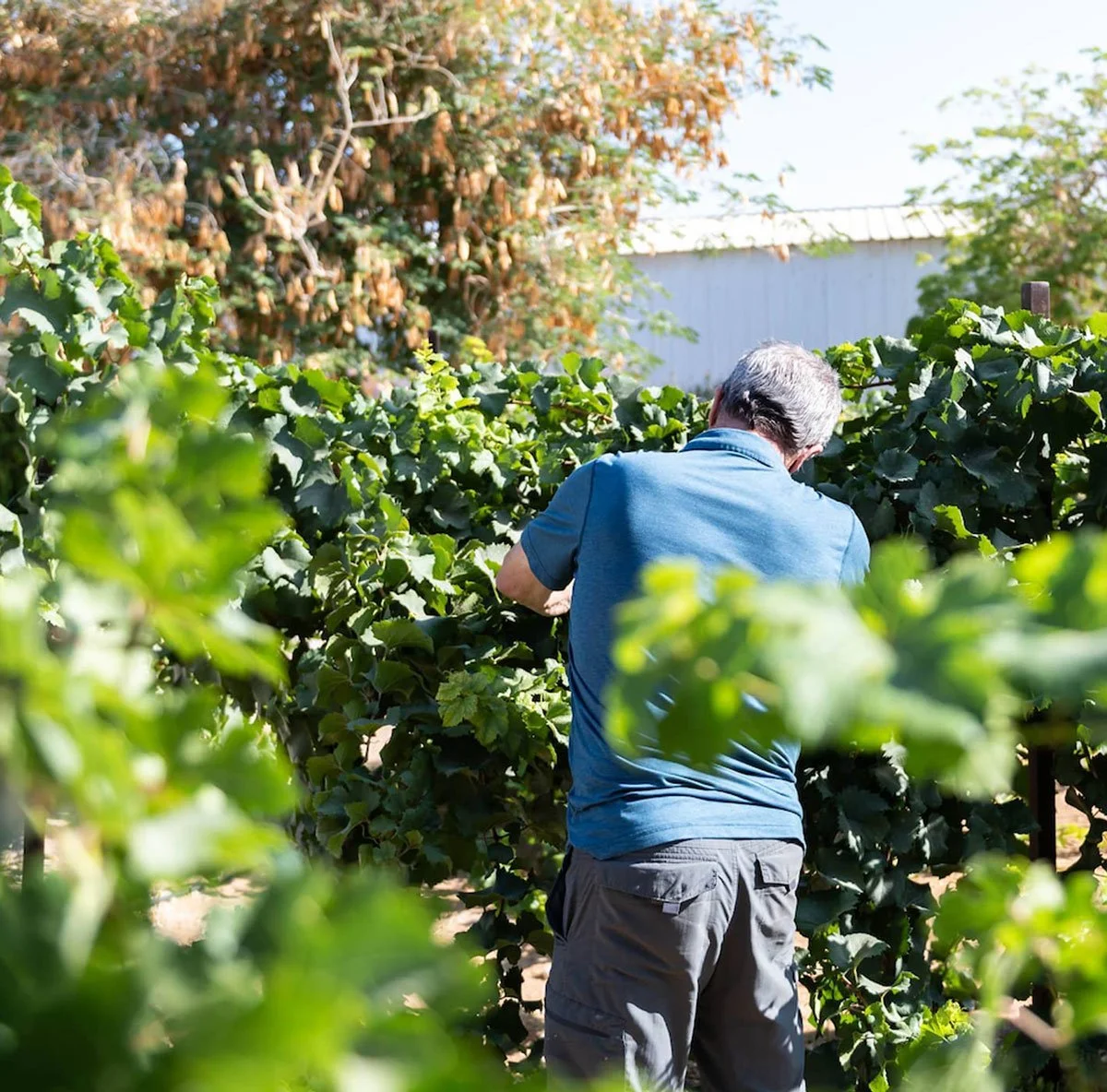
True to their roots, the Friedmans built the winery using parts of their original farm infrastructure.
The winery building once served as the packing house for the peppers Yehuda grew.
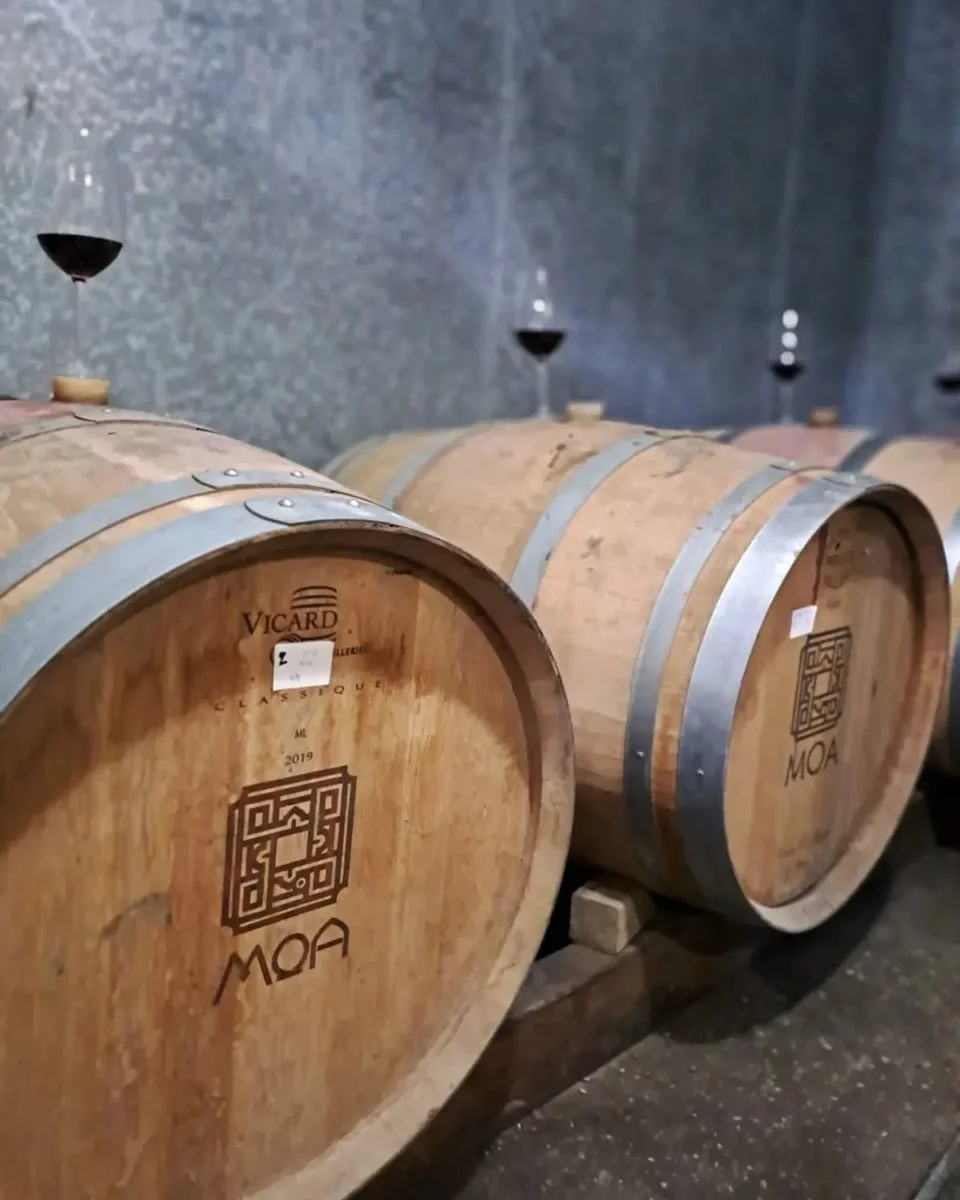
The barrel room and refrigerated container — now used to store and age wine — were originally used for cooling flowers grown in the family’s fields.
The winery stands beside the family home, a new pepper packing house, and a young date orchard — all parts of the same farmstead. Every branch of the family’s work, from produce to wine, remains closely connected both in place and in spirit. Similar initiatives worldwide.
The Name and Its Roots
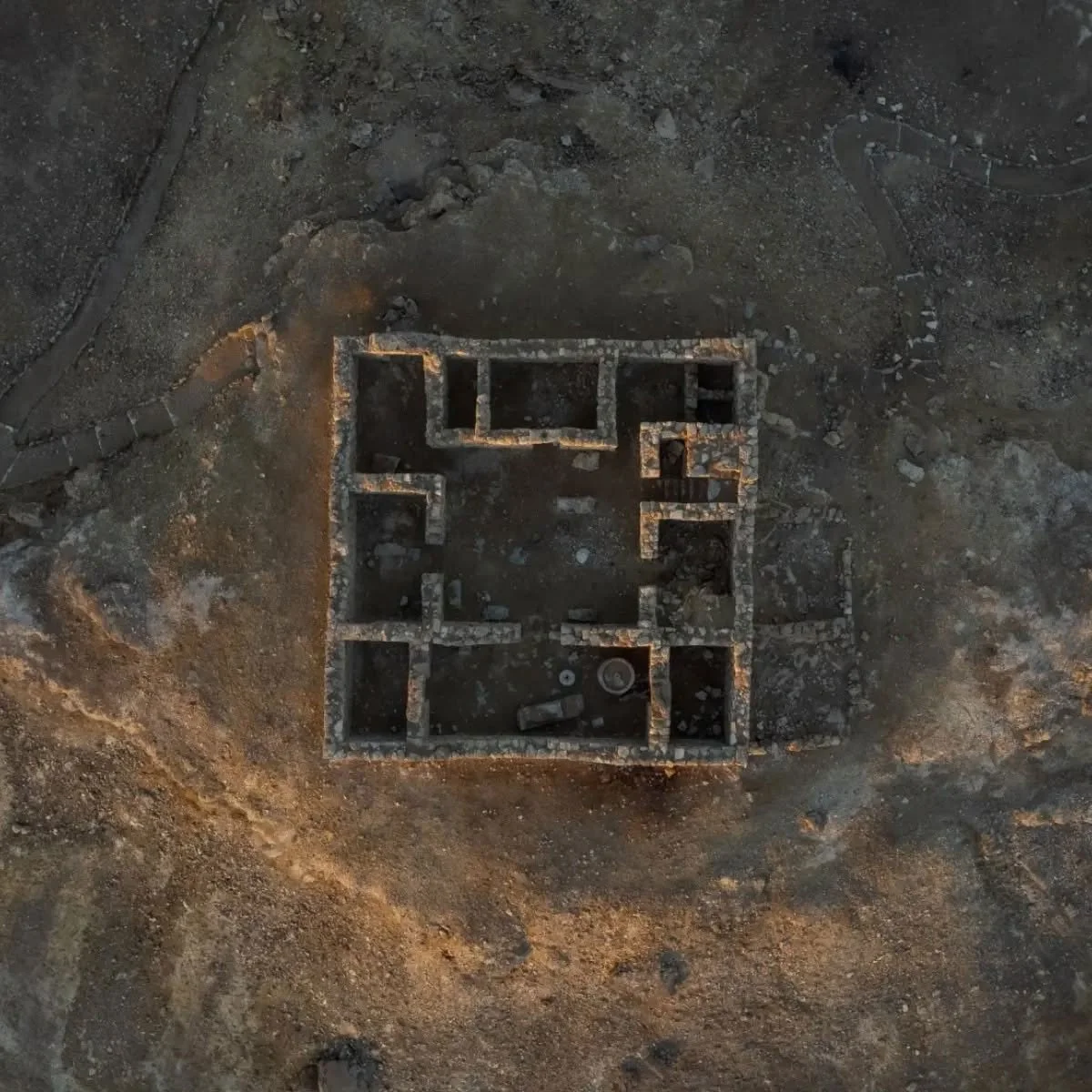
Moa Winery takes its name from the ancient fortress of Moa, the ruins of which lie near Moshav Tzofar.
In antiquity, Moa served as a Nabatean caravanserai — a roadside inn along the legendary Spice Route, where travelers crossed the Arabian and Negev deserts on their way to the Mediterranean coast near Gaza.
By naming the winery after this historic site, the Friedmans honor the region’s ancient heritage of trade, travel, and hospitality — echoing it today through their wines, which bring new life to the desert’s timeless landscape.
MOA Winery's Featured Wines
MOA Winery's Featured Wines
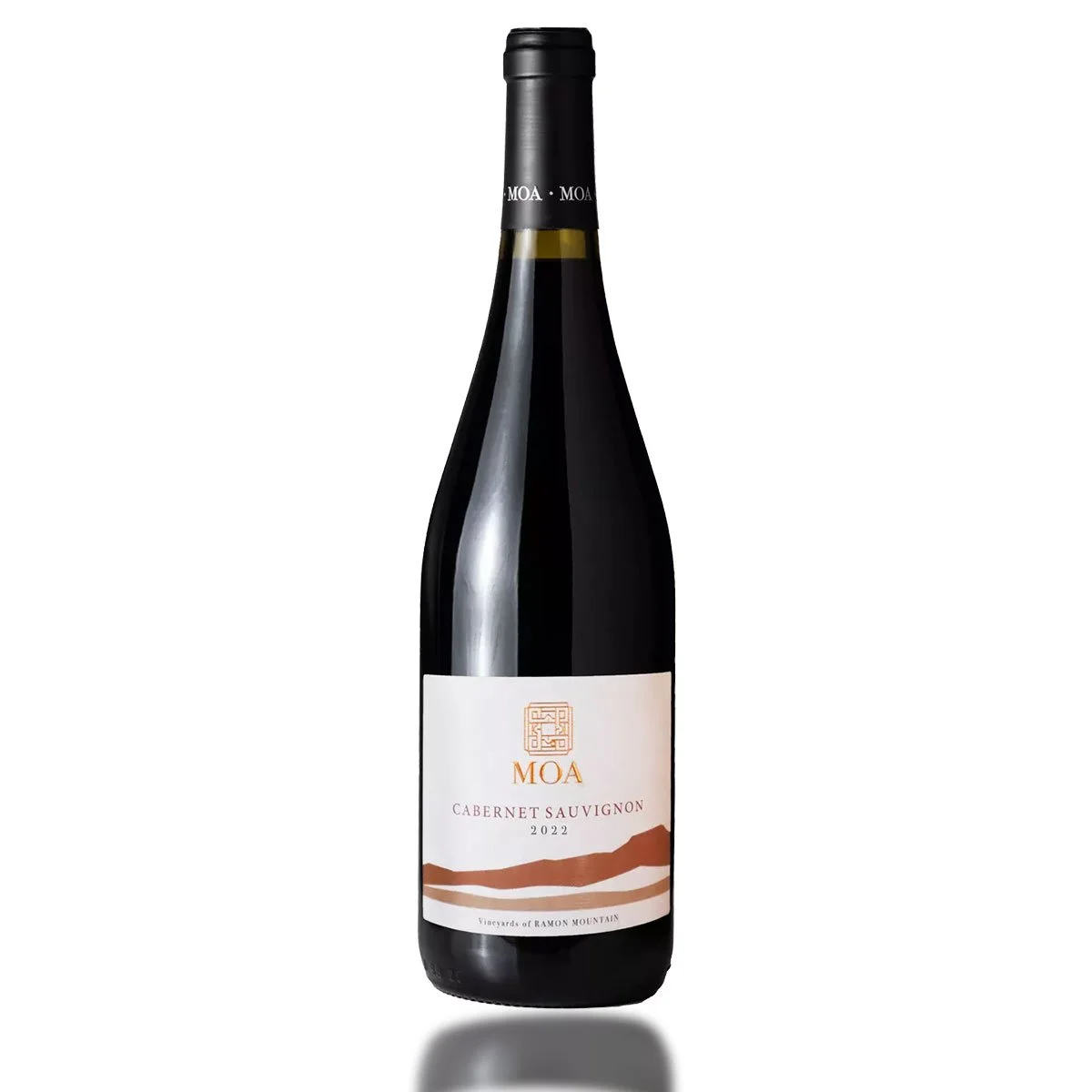
2022 CABERNET SAUVIGNON
87% Cabernet Sauvignon, 9% Syrah, 4% Malbec
A full-bodied red, aged 12 months in French oak, offering depth and elegance. Notes of dark fruit and subtle spice unfold in a velvety, buttery finish. Crafted from the sun-drenched desert vineyards of Israel, where rich history meets refined winemaking.
2023 blanc
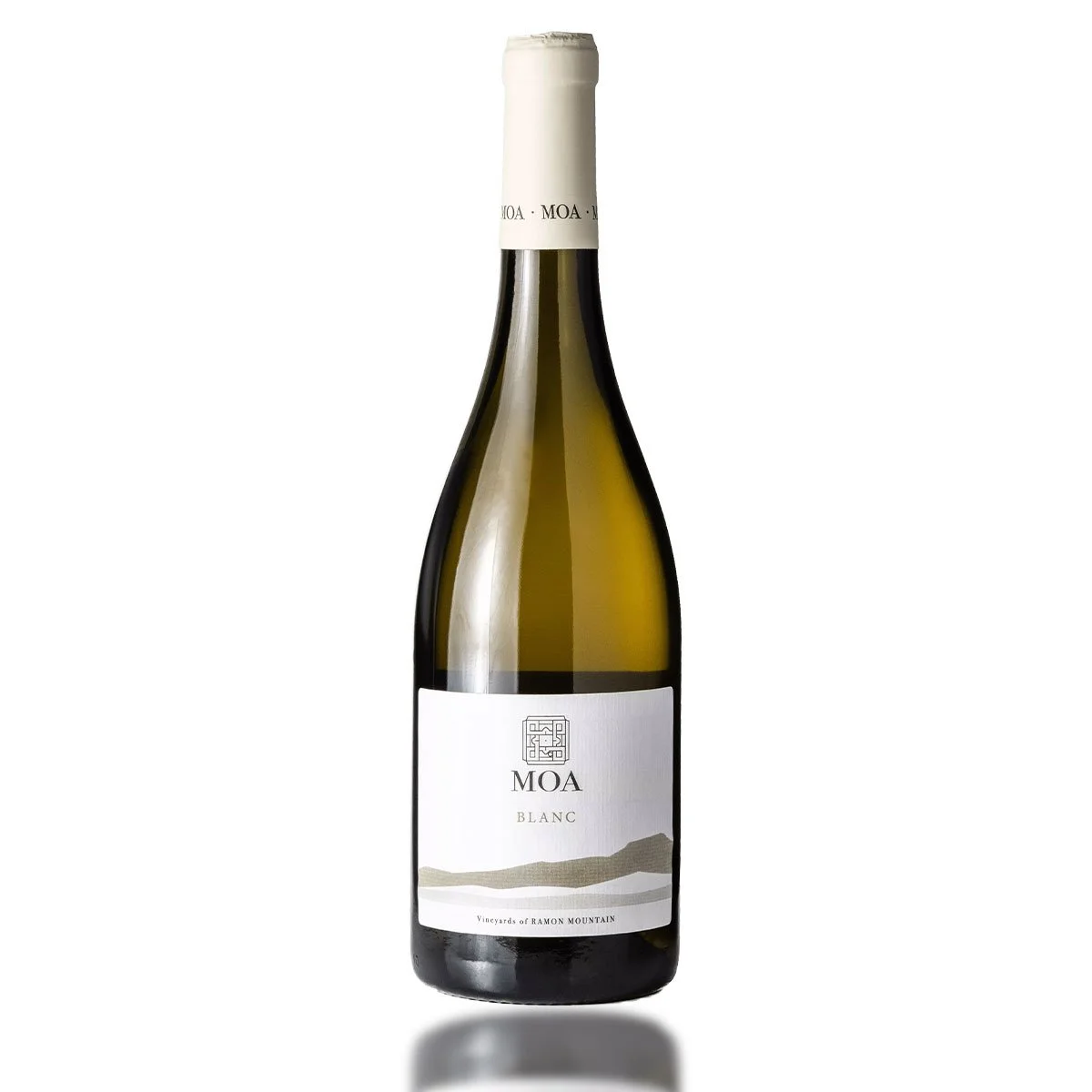
A refreshing floral white blend of 45% Chardonnay, 25% Roussanne, 15% Chenin Blanc, 15% Sauvignon Blanc.
The grapes originate from the Mishor HaRiheeh Vineyards in Mitzpe Ramon, at an average altitude of 800 m (2625 ft). The wine underwent cold and slow fermentation on its delicate leaves.
Refreshing with light floral aromas that characterize the desert terroir.
Best enjoyed cold.